
She walks down the hall ahead of me, everything I’m not. Shoulders squared and stride sure, her shirt swishes under a fashionable jacket, her heels click. A stream of students divides, giving her wide berth. But their faces turned toward her are not hostile, just curious. What will she do now? You never know. It’s like trouble walks down the hall with her, good trouble, even though she’s the assistant principal.
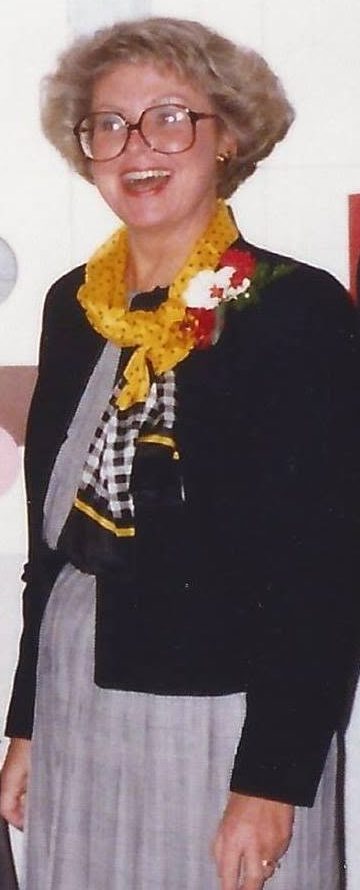
“Cosgray!” she might shout at a guy trying to slink along the outside of the hall. “Turn yourself right around and head to my office. I’ll see you in a few.”
What’s up with Cosgray? You can’t tell. He might leave Mrs. Schwaller’s office with five days of detention. Or maybe with a new bike because his name was drawn from a jar of good behavior tokens.
She fills up the room, not by her size, but by the open look on her face and her queenly bearing and a voice that draws you in, that makes you stop and listen, actually want to listen. She’s like a sunflower in a bed of violets with small, understated, drooping blooms and soft, subtle fragrances. She’s the assistant principal, and I’m only a beginning teacher.
And I’m on her list. Once a quarter she sits in the back of my classroom to evaluate my teaching. Mostly she shines down on me.
“You’re organized,” she says. “Well-prepared. Students like you, as do their parents. You know your content, and mostly you get your students.”
But violets, as I’m finding, get stepped on. They don’t survive long in the middle school yard.
“You’re short,” she says. “So walk tall. Your voice is quiet, so make some noise. Slam your door shut at the beginning of class and then smile. Ring some bells. Carry a yardstick and slap it on your desk before you make a point.”
She leans in close.
“You know the biggest change you need to make?”
I don’t.
“You’re too consistent,” she says. “Students know exactly what to expect from you. And that puts you on the defensive.”
She smiles at me.
“You can do this,” she says. “Keep them on edge. Surprise them. Catch them off guard.”
She gets up to leave.
“Knowing you,” she says with a chuckle, “you’ll find a way to get organized about how to do this.”
Having Mrs. Schwaller as my mentor is perhaps the best thing that happened to me at the beginning of my career. And she gave me a mantra for my decades of teaching.
Walk like Schwaller—this was my incantation each time I walked into a new classroom in a new school for the rest of my career.
So thank you, Corliss, wherever you are (in, I assume, retired bliss). And I hope you see this.


What a fun post. And a great tribute! I can’t really picture you slamming doors, but I get her point! Catch them off guard. Keep them guessing. But continue being kind and organized and all the things you are. I think, when I was teaching, my students probably sensed my insecurities and took advantage of that. I was never overly consistent and discipline wasn’t my strong suit. I absolutely love this post and this lively image of Corliss!
LikeLike
I love everything about this piece! “Walk like Schwaller!” Be unexpected. I could have used this type of mentor in my edu years!
LikeLike