
Because of the coronavirus quarantine, my grandchildren and their parents are now together—working from home. And this takes me way back to my childhood, to the kitchen table in Flint, Michigan. There we all gathered to study after supper, even my mom. She was working on her high school diploma. Like most people in her church, which distrusted too much education, she had stopped going to school a few days after she started seventh grade. Her dad had walked into her classroom and handed the teacher a farm deferment.
“It seems a shame to take a child from school when she wants to stay,” her teacher had said.
But my mom had followed her father home to work on the farm.
But by the time we moved to Flint, the church had relaxed its rules, and my mom wanted a high school diploma. So with seven kids to feed and clothe and bring up in the fear of the Lord, she went back to school. Semester after semester, enrolled in the adult program of the Flint Public Schools, she completed classes one by one. And in the evenings, she did her homework right along with us.
There in the kitchen, it mattered that I found a powerful sentence to open my speech for Mrs. Brunett’s class. After all, Mom, just across the table from me, sitting between my two brothers, also searched for a sentence for the paper she was writing. My mom, I could tell, had a goal in mind. And she was working toward it.
You’d never seen seven prouder kids than on the night our Mom graduated from Flint Public Schools. We dressed up and sat in a straight row with our dad during the ceremony. Afterward, we presented Mom with a cake Dad made and decorated, and her eyes shone.
Since that time, a half century has passed, and a few weeks ago I never imagined my grandchildren would be doing school around their own kitchen tables. But while they are there, I hope they look across the table. I hope they catch diligence as they hear keys clicking under their parents’ hands. I hope they watch as their parents push through problems toward their goals and then try a little harder at their own schoolwork.
I’m sure that long-ago time around the kitchen table in Flint seemed more idyllic to me than it did to my mom. And I’m quite certain that a tableful of grandchildren seems more fanciful from a distance than it does up close. Still, a grandma can dream . . .
 Thoughtful reflection on tough experience, this is what was behind Thurber’s simple lines. It wasn’t how well Thurber drew a dog, for example, it was the way the bloodhound decides not to bother a bug. Wisdom, Thurber shows with this rough-drawn dog, is knowing when it doesn’t matter, when it’s best to let someone go their own way.
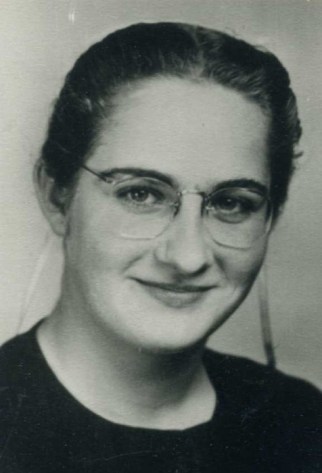 This week I paid tribute. My aunt died—the aunt of a famous chocolate cake, the aunt who loved people just as they were, not waiting for them to change, and, for me, the aunt of the chifferobe. In my memoir
  Apple to Apple