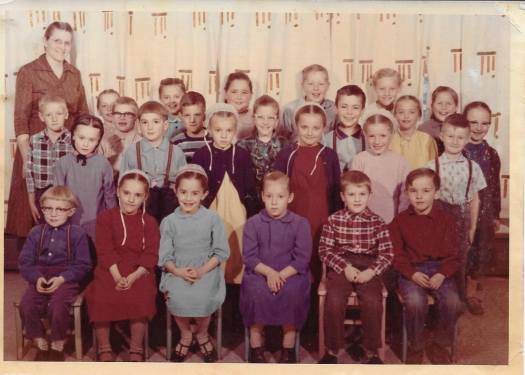
My ninety-two-year-old mom has been wanting to write her story.
“I remember things no one else knows,” she told me. “And I want to preserve these memories before they’re lost forever.”
But she’s been plagued with trouble. Her hands hurt when she writes with a pen. And when she types on a computer, her documents somehow disappear. So her daily story-writing sessions had been fraught—until she discovered voice-to-text transcription.
“All I have to do is talk to this microphone,” she said, pointing to an icon on her laptop. “And the computer does the rest.”
This reminded me of something I had never told my mother. Being a quirky kind of a kid, I had early-on developed a sense that it was best to hide some of my strangest ideas. So my parents didn’t know about my story-telling sessions in the fruit cellar every evening after supper dishes.
Impressed with the new television sets and Etch-a-Sketch toys and audio cassettes, I was convinced someone would soon invent a wall-reading machine, a device that could scan walls and retrieve every word the wall had ever “heard.”
And sure that I was living in unusual times, I thought I’d help future historians by documenting these times. So every evening, I sat on an upturned crate in the fruit cellar and talked to the wall—about war and assassinations and the space race and civil rights marches. I also explained what I missed from the mountains of Western Maryland and what I found strange in the city—the faded stars and sirens and rushing traffic and big schools and people who talked all sorts of ways.
Earlier this year I drove back to that childhood house in Flint, Michigan. I sat in my parked car and wished I had a newly-invented wall-reading machine to take down the cellar steps. And though I didn’t know what kind of nonsense I had spoken to those walls, I came to a better understanding of why I had spent so much time talking to them. I was doing then what my mom is doing now—trying to make sense of a life and then share that sense with others.